That's a great question. I've spent years in the shop and teaching DIYers, and I've seen this learning curve firsthand. It's not a sheer cliff—more like a steady hill. With the right mindset and a clear understanding of the process, a novice can absolutely master this essential maintenance task. The curve is less about innate mechanical skill and more about grasping the logic of the hydraulic system you're working on.
The Foundation: Conquering the Mental Hurdle
Before you touch a wrench, the biggest part of the curve is often in your head. Brakes are a safety system, and that responsibility feels heavy. The antidote is knowledge. You need to move from "this is scary" to "this is a logical procedure."
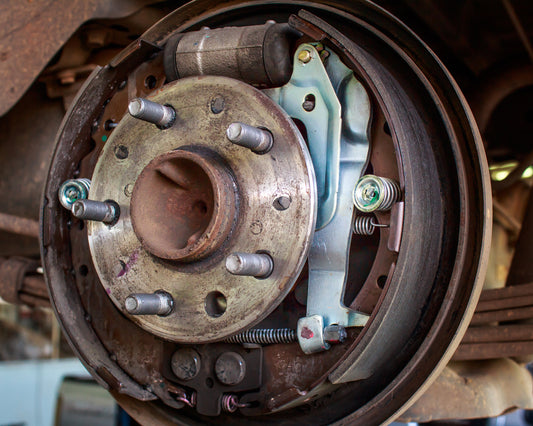
Start by understanding the core principle: your brake pedal is a pump that pushes non-compressible fluid to actuate the pads at each wheel. Air in the lines compresses, leading to a spongy, unreliable pedal. Bleeding simply purges that air. Spend time identifying the key parts under your hood and at each wheel: the master cylinder reservoir, the brake calipers or wheel cylinders, and the tiny bleeder screws. Your vehicle's service manual is your bible here—it will give you the correct bleeding sequence (usually starting farthest from the master cylinder) and the exact type of brake fluid required. An hour of solid research flattens the learning curve dramatically.
How Your Chosen Method Shapes the Curve
The tool and technique you pick have a massive impact on how steep your first experience will be. Not all methods are created equal for a beginner.
- The Classic Two-Person "Pump and Hold": This method has a moderate but tricky curve. It's all about coordination and communication. The helper pumps the pedal, holds pressure, and you open the bleeder screw. The learning involves perfect timing to avoid sucking air back into the system. It's prone to frustration and messy spills if you're not in sync.
- Vacuum Bleeding: Using a hand pump to pull fluid from the bleeder screw seems straightforward. However, the curve involves learning to seal the bleeder screw threads perfectly. A novice can easily draw air past the threads instead of from the brake line, creating a false "air-in-the-system" feeling that's confusing to diagnose.
- Pressure Bleeding: This involves pressurizing the master cylinder reservoir to push fluid through. It's effective but requires careful setup to avoid catastrophic fluid spills that damage paint. The learning curve is about managing the pressure equipment and connections securely.
- Reverse Bleeding (Fluid Injection): This approach, like the patented technology we developed at Phoenix Systems, works by injecting new fluid from the wheel caliper upward. For a novice, this often presents a gentler curve. Why? Because you're pushing fluid and air bubbles up, following their natural tendency to rise. It's typically a one-person job with clear visual feedback in the master cylinder, eliminating coordination variables. The process feels more intuitive—you see the old, contaminated fluid being displaced by new fluid in real-time.
Your First Time: The Hands-On Reality Check
This is where theory meets greasy reality. Be kind to yourself. Your first brake bleed will take two to three times longer than it will on your third attempt. That's completely normal and part of the process.
You'll be developing several key skills simultaneously:
- Meticulous Preparation: Safely supporting the vehicle, removing wheels, and having all tools, fluid, and rags within reach.
- Spotless Cleanliness: Brake fluid is a harsh paint stripper. Learning to protect painted surfaces and manage drips is a critical, non-negotiable habit.
- Procedure Discipline: Following the sequence to the letter. The cardinal sin is letting the master cylinder reservoir run dry, which introduces a massive air bubble and sends you back to square one.
- Tactile Finesse: Learning the feel of loosening a bleeder screw without rounding it off, and knowing when it's snugly closed.
You'll likely hit a few classic novice pitfalls—that is the learning curve. A stuck bleeder screw, a momentary lapse that lets the reservoir level get low, or a still-soft pedal after the job (which could point to a worn master cylinder or other issue). Each one is a lesson that makes you more competent.
Where the Curve Flattens: Gaining True Confidence
Here's the rewarding part. Once you've successfully bled your first brake line, the curve flattens fast. By the time you finish the fourth wheel, you're no longer a novice at the physical act. Real mastery comes later, with experience on more complex systems like bleeding an ABS module (which may require specific steps or a scan tool), or diagnosing other problems that mimic a spongy pedal. You'll develop speed and, most importantly, the confidence to know when a job is done right.
My Practical Advice for Your First Attempt
- Time is Your Friend: Don't try to squeeze this in before dinner. Block off a weekend afternoon where you can work patiently.
- Choose Your Method Wisely: Select an approach that minimizes complexity and aligns with clear, step-by-step instructions. A self-contained, one-person system can remove a lot of variables.
- Prep Like a Pro: Read the vehicle manual and your tool instructions twice. Lay everything out. This is 80% of a successful job.
- Embrace the Mess: Have a dedicated catch bottle, plenty of shop rags, and wear safety glasses. There will be drips.
- Know Your Limits: If a bleeder screw is frozen and won't budge, or if the system still doesn't feel right after a careful bleed, stop. This is the moment to call a professional mechanic. That's not failure—it's smart, responsible vehicle care.
The bottom line? The learning curve for a first-time brake bleed is entirely manageable. It's a hill worth climbing. The investment in focus and patience pays you back in deep vehicle knowledge, long-term maintenance savings, and the solid confidence that comes from personally ensuring a critical safety system is in top shape.
Always consult your vehicle's service manual and follow proper safety procedures. If you're unsure, consult a qualified mechanic. This information is for educational purposes. Always follow manufacturer specifications for your specific vehicle.