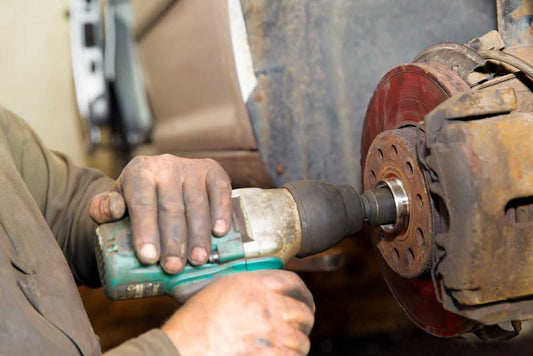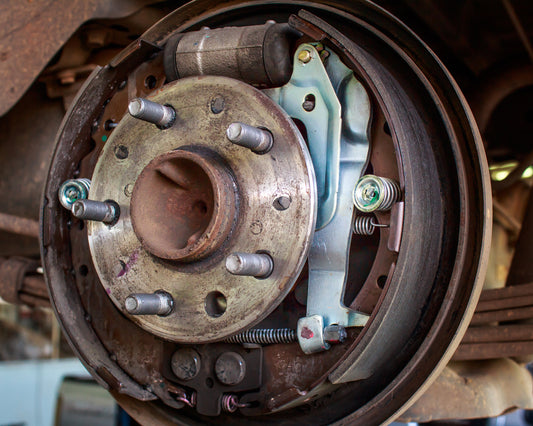
Bleeding the brakes on a vehicle with an Anti-lock Braking System (ABS) is a different beast altogether. I've seen too many DIYers and even some inexperienced techs end up with a spongy pedal after a simple fluid change because they treated it like an old car. The ABS module adds a complex maze of valves and channels that love to trap air in places traditional bleeding can't reach. Choosing the right tool isn't about convenience here; it's about getting the job done right and ensuring your brakes are safe.
The Core Challenge with ABS
The fundamental issue is flow direction. In a non-ABS car, you're basically pushing fluid (and air) downhill from the master cylinder to the caliper. An ABS module sits in the middle of that path. When you bleed traditionally, you're trying to push air bubbles through small, often closed, solenoid valves inside the module. They get stuck. The best brake bleeders for this job overcome this by giving you more control over how the fluid moves through the entire system.
What to Look For in an ABS-Capable Brake Bleeder
Based on decades of turning spongy pedals into firm ones, here are the non-negotiable features for a tool that can handle ABS:
- Multi-Directional Flow Capability: This is the big one. You need a system that can do more than just push from the master cylinder. The ability to perform reverse bleeding—injecting clean fluid from the caliper upward—is a game-changer. It pushes fluid and trapped air up through the ABS module's internal passages, following the path air naturally wants to travel, and out the master cylinder reservoir.
- Steady, Adjustable Pressure: Forget the old "pump and hold" method with a helper. You need a tool that provides smooth, consistent pressure. Erratic pressure from makeshift setups can shatter large air bubbles into tiny, stubborn microbubbles that are a nightmare to remove.
- A Closed, Clean System: The tool should have its own dedicated fluid reservoir. This keeps moisture out of your fresh brake fluid and prevents air from being sucked back into the lines during the process, which defeats the whole purpose.
- Professional-Grade Results: The ideal tool should let one person achieve a shop-quality bleed. That means robust, leak-proof fittings that seal on various bleeder screw sizes and a logical, safe setup.
Why the Bleeding Method Matters Most
When evaluating tools, focus less on the brand name and more on the core technology they use. For ABS, the method is everything.
Traditional vacuum bleeders pull fluid from the caliper. This can work on simple systems, but the suction can sometimes pull air past the threads of the bleeder screw, giving you a false "air in the line" reading, and more critically, they still struggle to move air through a dormant ABS module.
Standard pressure bleeders that pressurize the master cylinder reservoir are a step up, but they still rely on pushing fluid the conventional way. If air is trapped in a high point within the ABS unit, it might just sit there.
The most effective approach I've used for stubborn ABS systems is reverse bleeding. By introducing clean, bubble-free fluid under controlled pressure from the wheel end, you actively fill the system from the bottom up. This technique specifically forces fluid to travel up through the ABS module, flushing trapped air ahead of it and out the open master cylinder. It's often the only way to purge air after an ABS component replacement without an expensive scan tool to cycle the valves.
A Real-World Example: Phoenix Systems' Reverse Fluid Injection
To illustrate a tool built on these principles, consider the technology from Phoenix Systems. Their systems are built around Reverse Fluid Injection (RFI). This isn't just a marketing term; it's a patented method that embodies the exact process I just described. It's designed to tackle the specific weakness of other methods by enabling that crucial bottom-up fluid movement. This is why it's trusted in professional settings—it solves the actual hydraulic problem presented by modern ABS and stability control systems.
Critical Steps and Safety Notes for Bleeding ABS Brakes
- Always Check the Service Manual First: This is not a suggestion. Some vehicles require a diagnostic scan tool to electronically activate the ABS solenoids during bleeding for a complete purge. Your manual is the final authority.
- Use the Correct Fluid: Never mix types. Use only the DOT specification (3, 4, or 5.1) listed on your master cylinder cap or owner's manual.
- Safety is Paramount: Work on a level surface, use jack stands, wear eye protection, and keep brake fluid off painted surfaces. If the process feels beyond your skill level, there is zero shame in taking it to a qualified mechanic. Brakes are not the place to guess.
The bottom line: The best brake bleeder for your ABS-equipped vehicle is one that gives you command over the fluid's path. Look for a system that offers controlled, consistent pressure and, most importantly, the capability for reverse bleeding. This approach targets the specific challenges of ABS hydraulics, turning a potentially frustrating and incomplete job into a straightforward, one-person operation that results in a firm, confidence-inspiring brake pedal.
This information is for educational purposes. Always consult your vehicle's service manual and follow proper safety procedures. If you're unsure, consult a qualified mechanic. Refer to the product manual for complete instructions and safety information.